April 14, 2026
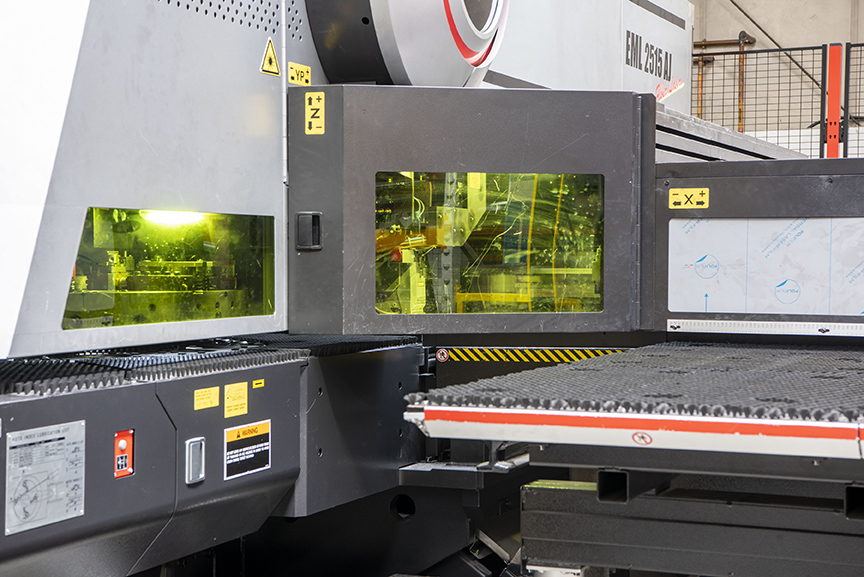
When people talk about fast, accurate sheet metal fabrication, laser cutting often gets the attention first. But the CNC punching process still plays a vital role, especially where speed, repeatable resultsand cost efficiency matter.
For many components, CNC punching remains one of the most practical and dependable manufacturing methods available.
It offers a highly efficient way to create holes, form features and produce complex shapes in a wide range of sheet metal parts, all while keeping production costs under control.
At Yorkshire Laser, CNC punching is part of a broader fabrication offer built around precision, flexibility and choosing the right process for the job.
In our second blog taking you inside sheet metal fabrication at Yorkshire Laser & Fabrication, we take a closer look at CNC punching as a sheet metal fabrication process and the benefits it offers in terms of quality, diversity and value.
At its core, CNC punching is a computer numerical control process used to punch, form or mark a metal sheet to exact specifications.
A CNC punching machine uses a programmed CNC system to move the sheet in precise X and Y locating positions beneath the punching head. Clamps secure the metal sheet in place while the machine follows the programmed path. Once aligned, the machine’s punching ram drives the selected punch tool through the material and into a matching die, allowing the machine to create holes, cut a desired shape, or produce formed features with a high degree of accuracy.
This movement is controlled using computer-aided manufacturing software, which tells the CNC machine where to position the material, which tool to select, and how each part should be processed to match the design brief. That means high accuracy, minimal error and reliable repeatable results, whether you need a short prototype run or high volume production.
In simple terms, the punching process is about far more than making basic round holes. With the right CNC machinery, tooling and programming, it can produce a wide range of features quickly and consistently.
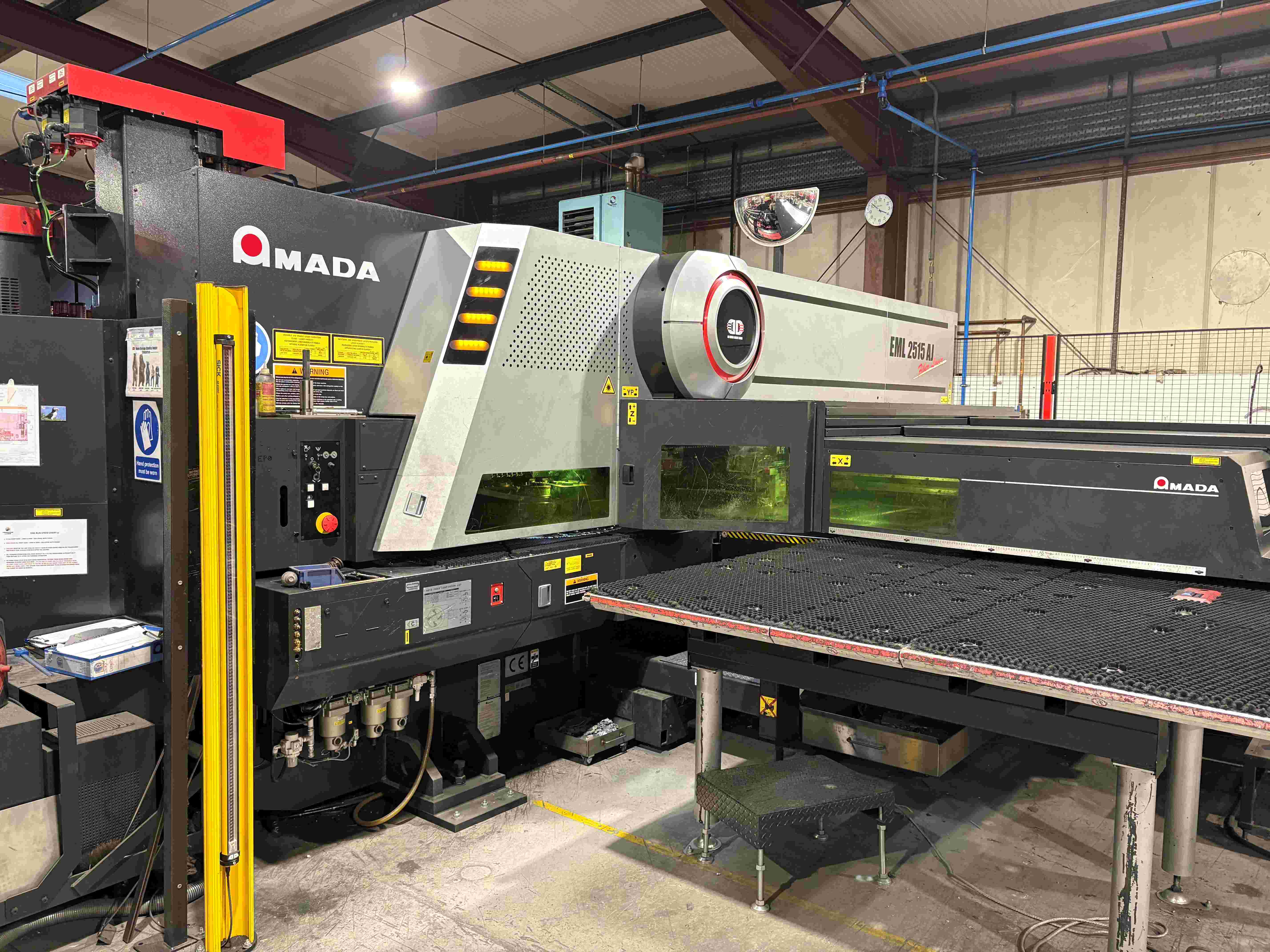
A modern punching machine is capable of much more than straightforward metal punching.
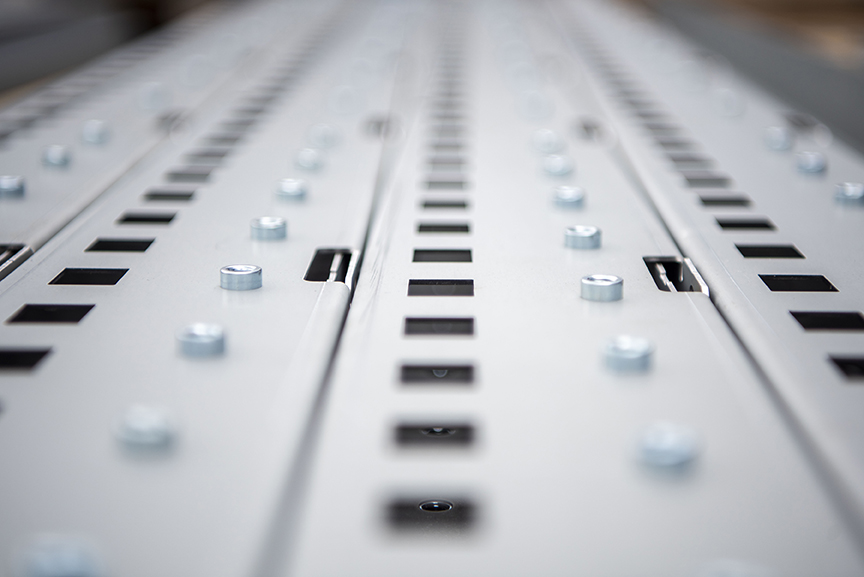
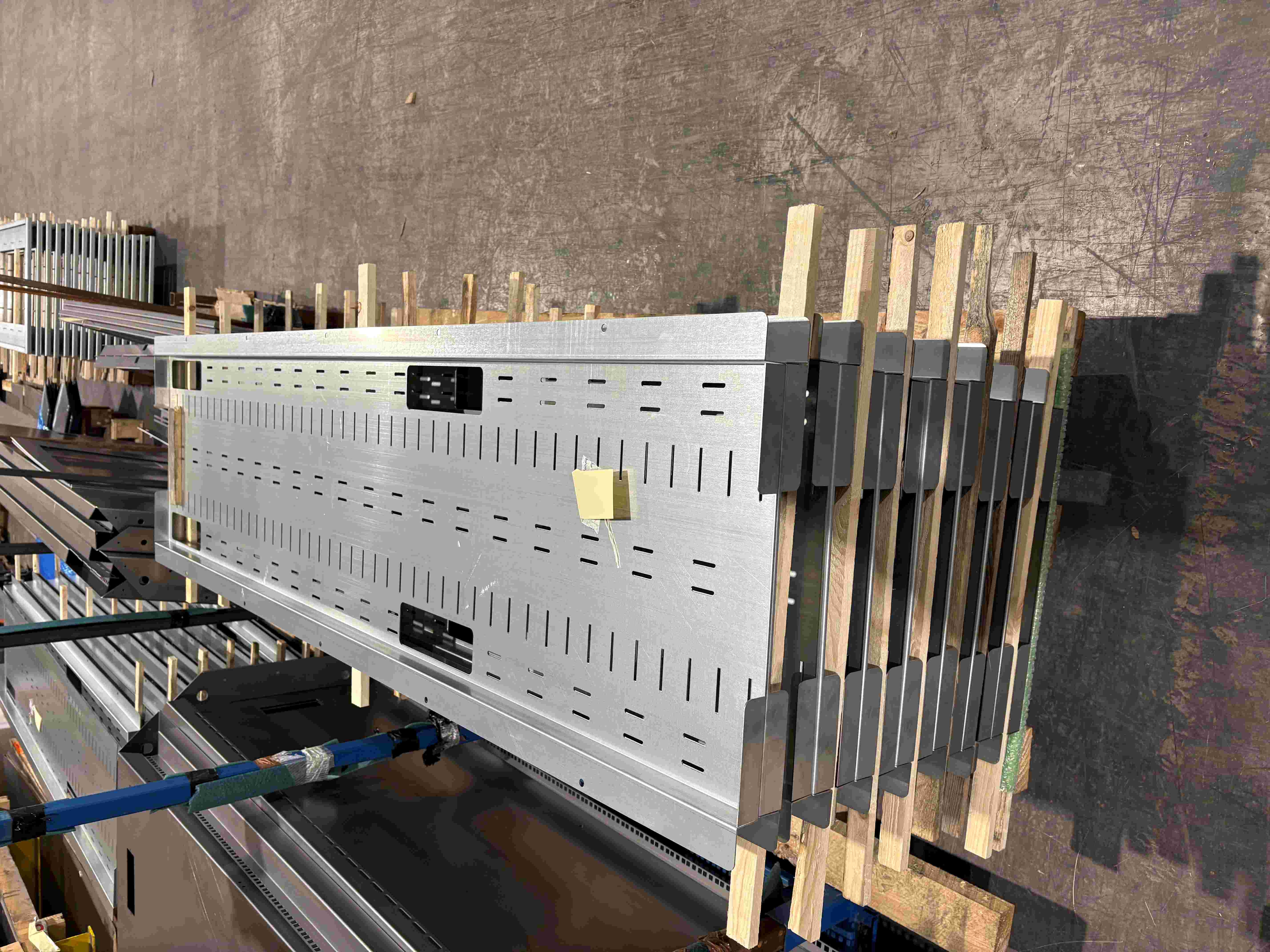
Yes, it can create holes at consistent hole sizes and hole diameters, but it can also handle rectangular slots, multiple holes, locking tabs, air vents, ventilation grilles and punch large grid patterns with excellent speed.
Depending on the part design, many of these features can be produced in a single punch stroke, which helps reduce handling time and lower production costs.
The process can also support punch forming, allowing useful features such as louvres, embosses and other formed details to be added directly into the part.
That often removes the need for secondary operations and helps keep the unit price down, particularly on repeat work.
This makes CNC punching work well for everything from brackets, covers and enclosures through to panels, trays, guards, slide rails, LED panels and other components that need clean, consistent detailing.
It is also a good fit for custom designs and intricate designs where the desired design includes repeated features, complex designs or formed details that would be slower or less cost-effective to achieve using another process.
Performance will always depend on the material, the feature and the material thickness involved. Different materials respond differently, so selecting the right tooling and the ideal thickness for each job is important.
CNC punching is commonly used on mild steel, stainless steel, aluminium, galvanised steel, pre-coated steel, brass and copper, making it a flexible option for many fabrication needs.

One of the main reasons the CNC punching process remains so valuable is that it does not need to work in isolation.
In many projects, CNC punching is most effective when used alongside other services. A laser cutter may be the best choice for external profiles or highly intricate cut paths, while punching can handle repeated holes, formed features and patterns far more quickly. For components that need bends or folds, the process can then move on to press braking as part of a wider sheet metal fabrication workflow.
That joined-up approach matters because not every component should be made the same way. Good metal fabrication is about matching the process to the part, the material and the commercial requirement.
At Yorkshire Laser, that flexibility is part of the value. Your parts can be produced using the method that best suits the design brief, whether that means a standalone punch press operation or combining CNC punching with laser cutting and folding to achieve the right finish, speed and cost effectiveness.
Modern CNC technology has pushed punching well beyond the limits of older manual or semi-manual machines.
Automated tool changing, fast positioning and better software control mean today’s machines can move from one feature to the next with minimal downtime. That improves speed, supports high-volume production and helps maintain a consistent standard across longer runs.
For customers, the benefits are straightforward. Faster set-up and more efficient processing can lead to lower production costs, reduced material waste and significant cost savings over time, especially on parts with repeated features or multiple holes.
Automation also improves consistency. Once a part is programmed correctly, the machine can reproduce it again and again to exact specifications. That level of repeatability is especially important in different industries where tight tolerances, fit and finish cannot vary from batch to batch.
There are several advantages to the CNC punching process, and they explain why it is still used across various industries today.
Speed where it counts
For parts with repetitive features, a CNC punching machine can often outperform other methods. If a component needs multiple holes, large grid patterns, air vents or repeated slots, punching can be the faster route from raw metal to finished part.
High accuracy and consistency
Because the process is controlled by a CNC system, parts can be made with minimal error and strong repeatability. That is essential for jobs where high accuracy and tight tolerances are non-negotiable.
More than simple hole-making
Punching is not limited to basic perforation. With the right punch tool, custom tooling or multi tool set-up, it can produce forms, tabs, embosses andother useful features that reduce the need for extra operations.
Lower waste and better cost efficiency
For the right type of part, CNC punching can help keep material waste low and improve overall cost efficiency. That is particularly true on thinner materials and repeat jobs, where speed and process control have a direct effect on production costs and final unit price.
A practical choice for many industries
From electrical enclosures and HVAC components to panels, brackets and general fabricated parts, CNC punching is used in many industries because it balances speed, quality and value. It can also support specialist sectors where lightweight parts, accuracy and repeatable output matter, including work linked to the aerospace industry and other precision-led applications.
With more than 25 years in sheet metal fabrication, Yorkshire Laser understands that the right answer is not always the most obvious one. The best manufacturing outcome comes from choosing the process that suits the part, the material and the deadline.
That is exactly where the CNC punching process earns its place.
If your component needs clean holes, formed features, consistent positioning and a dependable turnaround, CNC punching could be the most effective option. It is especially strong where the brief calls for repeatable results, complex shapes, accurate feature placement and a commercially sensible route to production.
Used on its own or as part of a wider fabrication process, CNC punching offers a practical combination of speed, flexibility and quality. It remains a proven method for modern sheet metal work, and for the right application, it still delivers several advantages over slower or more expensive alternatives.
If you are reviewing your fabrication needs and want advice on the best route for a new or existing part, Yorkshire Laser can help you choose the right process for the job.
Talk to the team today on 01924 220236.